Join Our Community
recent blog posts in the
kindman & co. newsletter
In this episode, Liz and Logan get into what it really felt like to spend a weekend in the desert surrounded by queer community, why spaces like No Other Festival matter more than ever right now, how the experience of seeing all kinds of bodies just existing freely can quietly shift something inside you, and what it brings up when even in the most welcoming spaces, you still find yourself wondering — do I belong here?
In a one-on-one setting, it’s still possible to people-please. You might try to be the “good client,” say the “right” things, or track your therapist’s reactions closely. But in a group, the dynamic shifts. There are multiple people, multiple perspectives, and multiple reactions happening at once. It becomes almost impossible to please everyone unless you say nothing at all, and even silence becomes meaningful.
In group, people pleasers are often faced with moments like these. You might want to agree with someone, but notice a different opinion inside. You might feel the urge to fill space to ease tension. You might worry you’ve said something wrong or hurt someone’s feelings. You might notice that you like some members more than others, and that not everyone will feel the same way about you.
For adult children of dysfunctional family systems the idea of self-compassion can trigger intense defenses. We can become concerned that if we aren’t on our own asses 24/7 then our lives will fall apart. We’ll give in to our vices, we’ll laze about while our lives and relationships crumble. It’s especially difficult when we’ve bullied ourselves into things we might actually be proud of. The pathways to my musical abilities, getting through college, and my career were paved through self-aimed derision and abuse. The pain was immense. A lot more suffering took place than was necessary to get through it all. When we are cruel to ourselves we get to play the role of abuser and abused. Both generate guilt and shame, things we are highly sensitive to.
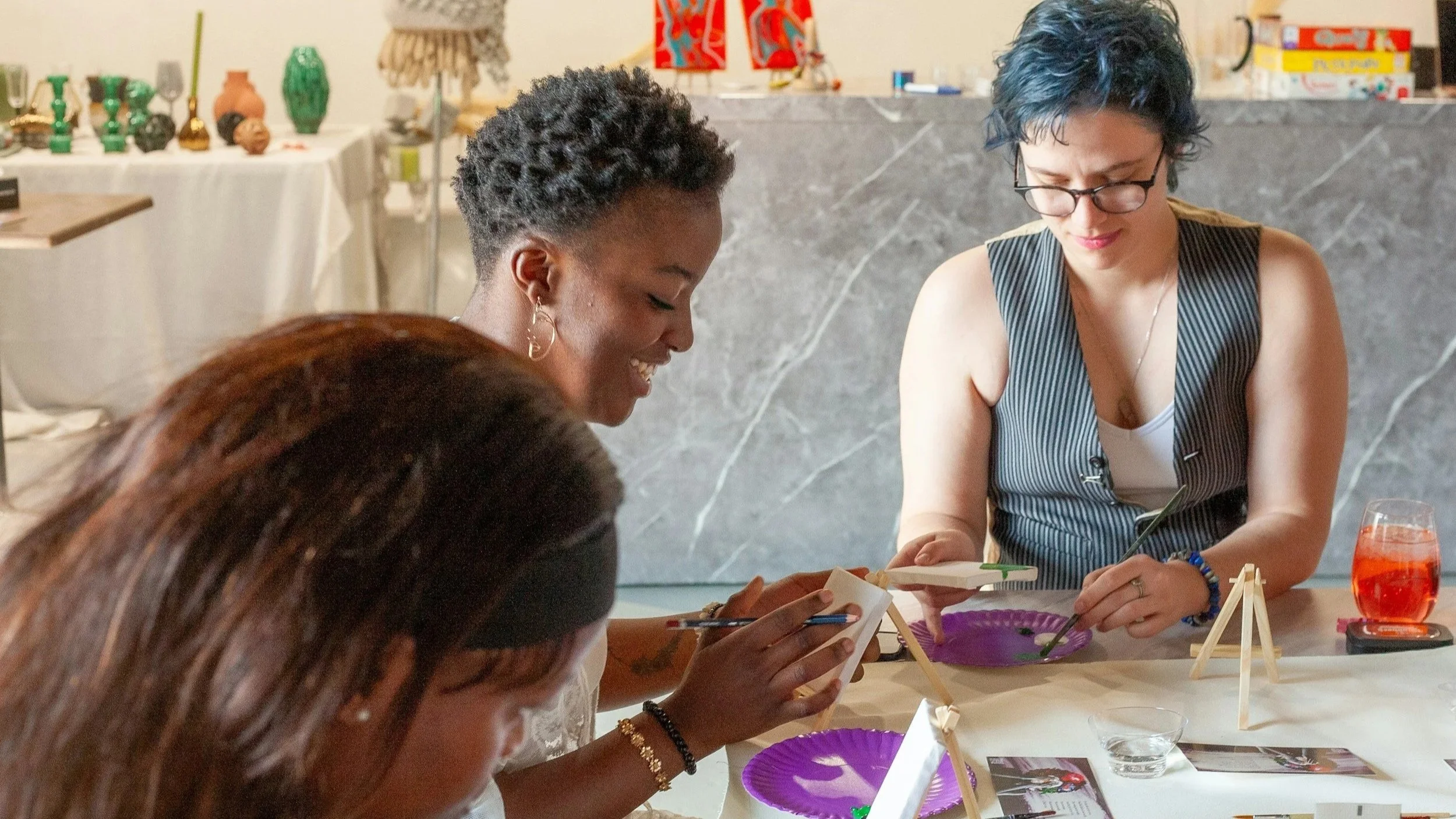
At Crafternoon, I didn’t feel as worried about the vulnerability of expressing creativity in front of others because no one was there to judge, or even focus on the outcome. It was like the process of creating together was the juice, and the trinkets and art we left with was just the extra pulp. Some folks learned new crafts, some picked old hobbies back up, and some continued refining their works in progress. Many people brought enough materials to share, making it easy to try something new
In this episode, Sarah, Madison, and Elizabeth get into what rupture really looks like, why repair feels so scary, how to know when a relationship is worth the effort, and what it actually takes to have those hard conversations without blowing everything up.
So if you've ever wanted to get better at conflict — or just wondered why it feels so hard — this one's for you.
let's begin.
You are not in this alone. You were never meant to be. Each and every one of us innately possesses strengths to live more enriching, joyful lives; let us help you to (re)connect to your strengths to find well-being.
Losing a parent in young adulthood carries a particular complexity—just as you are beginning to build your own life, the ground shifts beneath you. Whether you are navigating the rush of Los Angeles or the quiet corners of Highland Park, it’s important to know there is no expiration date on your grief. Explore why this transition feels so isolating, how the family system shifts, and why finding a relational community is a radical act of healing.